

Meta's acquisition of Limitless, an AI-powered wearables startup, has sparked widespread interest across the tech community. With this move, Meta is expanding its portfolio of AI wearables and advancing its long-term vision for personal superintelligence (PSI). This news raises important questions about the future of AI-enhanced devices, conversation memory tools, and the growing intersection between human and machine intelligence.
Why Did Meta Acquire Limitless?
Limitless built a reputation around its sleek pendant device that records conversations, transcribes them, and summarises the key moments using advanced AI models.
Meta has ended direct sales of the Limitless pendant, but existing users will continue receiving support for at least a year. More importantly, Meta’s acquisition is focused on the technology and talent behind Limitless, with plans to integrate its capabilities into future AI wearables.
"This partnership aligns with Meta’s newly announced vision
to make personal superintelligence accessible to everyone."
– Dan Siroker, Limitless CEO
What Is Personal Superintelligence (PSI)?
Meta's PSI vision involves to an AI system designed to assist individuals across every aspect of their lives while reducing the cognitive load for humans. Meta envisions a future where AI is context-aware and proactive, helping users focus, recall, and make better decisions in real time.

"Personal devices like glasses that understand our context because they can see what we see, hear what we hear, and interact with us throughout the day will become our primary computing devices."
– Mark Zuckerberg, Meta CEO
Source: David Morris/Bloomberg via Getty Images
The Bigger Picture: AI Wearables and Embodied Computing
Meta is increasingly investing in AI wearables and smart hardware. Its Ray-Ban smart glasses already provide voice-activated image capture and AI-powered interactions. With Limitless now in the mix, we might soon see glasses that can recall conversations, summarise spoken exchanges, and even suggest next steps based on recent dialogue.
AI wearables are evolving into real-time memory assistants and ambient computing platforms. For developers, entrepreneurs, and creators, this marks a huge shift in how products are designed and how users experience digital tools. The user is now immersed within a computing environment instead of merely looking at a screen.
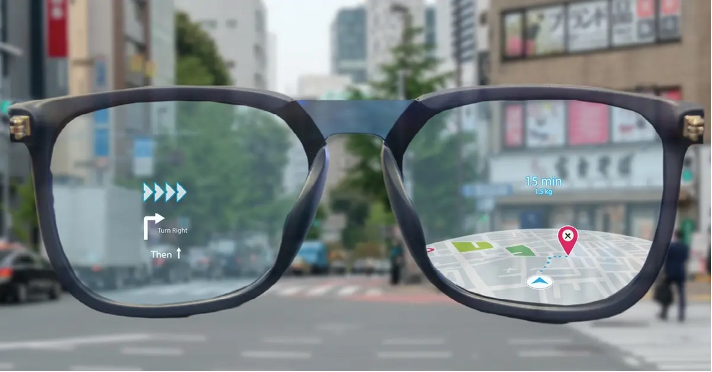 Source: The Rise of A.I. Smart Glasses: A New Era in Wearable Tech
Potential Risks and Challenges
While Meta’s acquisition of Limitless presents exciting possibilities, like scalability, richer hardware integration, and helping users reduce cognitive load, it also raises several questions about the implications of embedding AI into our daily lives.
- Who controls our digital memories?
- What would transparency, data storage, and privacy protection look like?
- Can AI enhance our lives without becoming intrusive?
- What ethical guardrails are needed to protect users in an always-on environment?
Final Thoughts: A Step Towards or Away from Empowered Technology?
Limitless engaged with the idea that AI should support human memory and understanding without replacing our agency. Now with Meta steering that mission towards personal superintelligence, AI is becoming more and more integrated into everyday life.
Whether you're an early adopter, entrepreneur, or simply curious about AI and wearables, this moment offers a case study in how technology, communication, and intelligence may soon merge.


Comments