

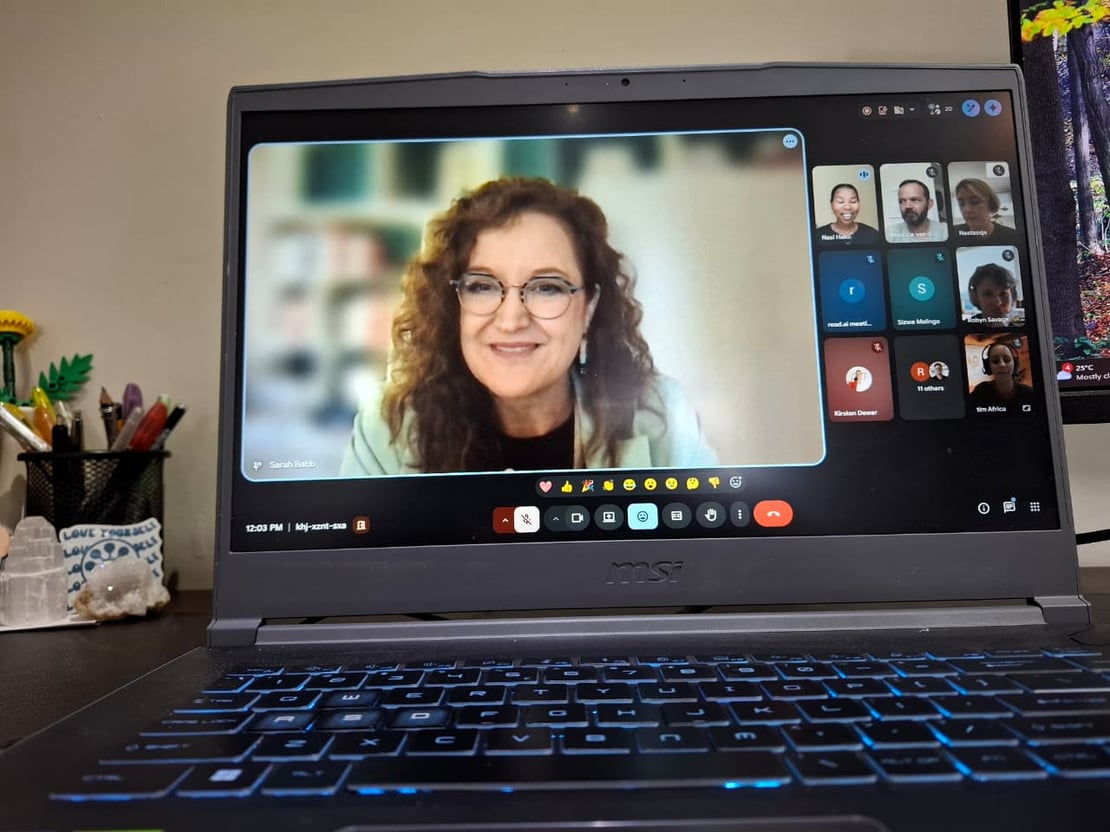
On 3 March 2026, Tim Africa joined Heavy Chef's live recipe with Dr. Sarah Babb, co-founder of Stimm an organizational psychologist and adjunct faculty and professional associate at the University of Pretoria's GIBS. Drawing on research into the Global South, she explained why understanding different types of brain wiring isn't only a social responsibility but also a competitive advantage for modern organizations.
One of our team members, Janelle Vernall, attended the online session to capture key takeaways that people can apply, especially with the ever-growing focus on how to make the workplace a better place for neurodivergents.
It was a recipe for anyone who to improve their workspace. This aligns perfectly with Tim Africa's philosophy, as we believe in the three core pillars of mind, body and soul, which are further broken down into learn, create and give.
Why Neurodivergent Thinking Matters in Business
Entrepreneurial ecosystems often attract neurodivergent individuals because their cognitive strengths align with uncertainty, innovation, and risk. Dr Babb explains that diverse thinking enables organisations to identify patterns, challenge assumptions, and solve problems in unconventional ways.
However, diversity only creates value when it is paired with inclusion. When teams feel safe to challenge ideas and experiment without fear of failure, productivity, quality, and innovation tend to improve significantly.
Meet the Chef: Dr. Sarah Babb
How Heavy Chef describes her:
Dr Sarah Babb is the co-founder of Stimm, a company founded to stimulate neuroinclusive communities and cultures across workplaces for neurodivergent adults. She is also an organisational psychologist, educator and advocate for inclusive entrepreneurship. Sarah brings practical and compassionate insight into building better workplaces for every kind of mind.
How Tim Africa describes her:
Dr. Sarah Babb is an incredible machine. She has built her career around something she struggled with, found the gap, filled it with her own business and showcasing her passion in what she does. The topic isn't spoken about, but she brings a natural comfort and allows people to feel safe in her presence, even online.
Janelle noted that Sarahs'’s passion for neurodiversity is clearly felt, even through the screen. She shares key lessons for entrepreneurs, founders, and teams looking to build more inclusive and effective workplaces.
Unpack the Ingredients of the Recipe
1. Neurodiversity Is Like a Fingerprint
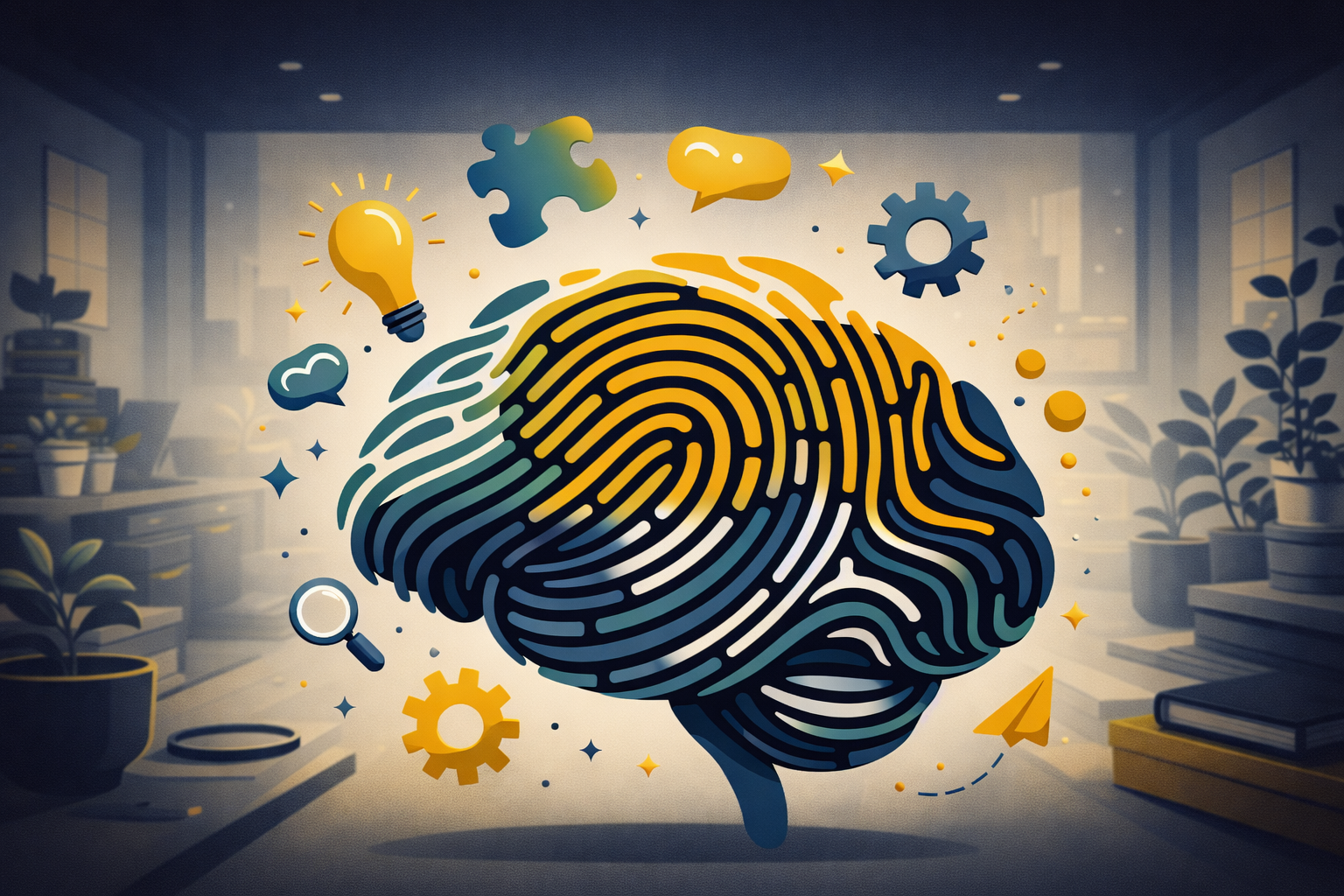
Dr Sarah Babb explained that neurodiversity is best understood as a natural variation in how people's brains are wired. "It's a bit like a fingerprint," she explained, meaning that every person processes information differently.
Neurodivergence includes cognitive profiles such as ADHD, autism, dyslexia, dyspraxia, and dyscalculia. Importantly, these are not deficits that need to be fixed. Instead, they represent different ways of thinking that can bring valuable strengths to teams and organisations. Today, neurodivergent individuals are estimated to make up roughly 30% of the population, with diagnosis rates increasing as awareness improves, particularly among women.
2. Strengths of Different Neurodivergent People
One of the key themes of the session was that neurodivergent thinking can offer unique advantages in entrepreneurial and creative environments. Autistic individuals are often able to process large volumes of information, think critically about complex problems, and bring high levels of honesty, stability, and loyalty to their work.
People with dyslexia frequently show strong systems thinking and an ability to recognise opportunities that others might miss. These strengths are particularly valuable in environments that reward innovation and problem-solving.
3. Building a Neuroinclusive Workplace
Sarah emphasised that diversity alone does not create value in organisations. The real benefit comes when workplaces actively create inclusive cultures where different perspectives are welcomed.
Inclusive environments allow people to challenge ideas, experiment, and contribute in ways that suit their strengths. Research consistently shows that organisations with inclusive cultures tend to perform better in terms of productivity, innovation, and growth.
4. Managing Feedback and Team Dynamics
One interesting insight from the session was that smaller businesses may have an advantage when it comes to building inclusive teams. Because smaller organisations tend to have less bureaucracy, they can create more flexible environments that accommodate different working styles.
Dr Babb suggested that companies should start by clearly defining their purpose, values, and the types of strengths they are looking for in new hires. This signals genuine inclusivity and helps attract candidates who may not thrive in traditional corporate structures. Simple changes can also make a big difference.
5. Rethinking Productivity and Self-Worth
Creating a neuroinclusive workplace often comes down to thoughtful design and clear communication. Dr Babb encouraged organisations to actively involve employees when designing workplace practices, emphasising the principle: "Nothing about us, without us."
Practical adjustments can include providing clear written instructions, allowing flexible work patterns, and minimising unnecessary interruptions that require constant task switching. Some organisations also create sensory maps of open-plan offices so employees can identify quieter spaces for focused work. Interestingly, many of these practices benefit everyone, not just neurodivergent employees.
6. Burnout, Dopamine, and Managing Energy
Burnout was another key topic discussed during the session. Dr Babb explained that burnout can hit neurodivergent individuals particularly hard because their brains may constantly seek stimulation and novelty. Instead of relying on large breaks or drastic lifestyle changes, she recommends creating small "micro moments" throughout the day to help reset attention and energy.
These moments might include short movement breaks, listening to music, stepping outside, or engaging in a sensory activity that helps the brain shift between tasks. As Janelle noted during the session, managing one's inner dialogue is also critical. "Your inner dialogue can be a struggle." Practising self-compassion and focusing on the next small action can often be more effective than striving for perfection.
7. Self-Understanding Comes Before Diagnosis
Dr Babb also addressed the topic of diagnosis, which can be complex and sometimes expensive. Many individuals begin by exploring self-understanding through reading, reflection, and online screening tools. These resources can help people recognise patterns in how they think and work.
Formal diagnosis can provide additional clarity and may be required for certain workplace accommodations. However, individuals can still advocate for practical adjustments without disclosing personal medical information.
8. Medication Is a Tool, Not a Fix
Another important point discussed during the session was the role of medication in managing neurodivergence. Dr Babb emphasised that medication is not designed to fix a person or change who they are. Instead, it can help regulate attention and focus when used appropriately.
"Medication is not about fixing something but helping it control." Anyone considering medication should work closely with qualified medical professionals, as different people respond differently to treatments and dosages.

The Future of Neurodiversity in Entrepreneurship
As awareness grows, more organisations are beginning to recognise the value of cognitive diversity. For entrepreneurs, embracing neurodiversity may unlock untapped creativity, innovation, and resilience. Inclusive environments also attract talented individuals who might otherwise feel excluded from traditional corporate structures.
Tim Africa's Perspective on Dr. Sarah Babb
Dr Sarah Babb concluded the session with a simple but powerful message for entrepreneurs navigating complex personal and professional journeys.
This is the kind of practical, human-centred innovation Tim Africa is interested in, where we care about our mental health and physical well-being just as much as we care about our client work. If you're wanting help turning your concepts or expertise into content, Tim Africa does this every day through podcasting, performance marketing, and web development.
Frequently Asked Questions
Dr Sarah Babb describes neurodiversity as being similar to a fingerprint. Neurodiversity refers to the natural variation in how human brains function. In the workplace, it means recognising and supporting different thinking styles such as ADHD, autism, and dyslexia.
Neurodiverse individuals often approach problems differently, identify patterns quickly, and bring creative thinking to complex challenges.
Companies can support neurodivergent employees by providing clear communication, flexible work structures, sensory-aware environments, and inclusive hiring processes.