

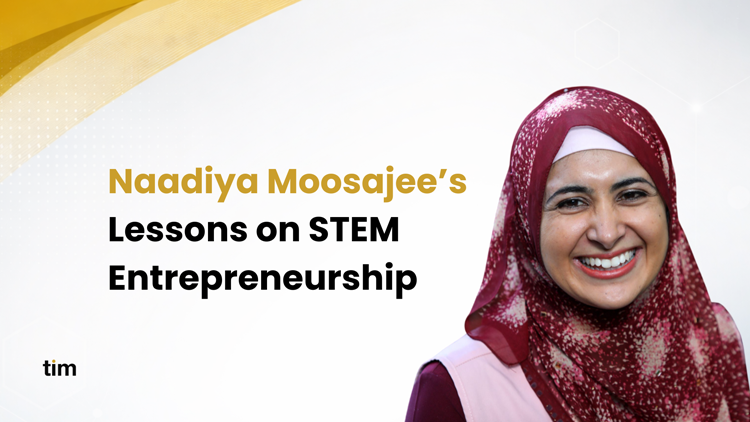
On 3 February 2026, Tim Africa joined Heavy Chef’s live recipe with Naadiya Moosajee, a globally recognised engineer and entrepreneur known for building support ecosystems for women in STEM through WomEng, WomHub, and her broader venture work, including Cybherfence.
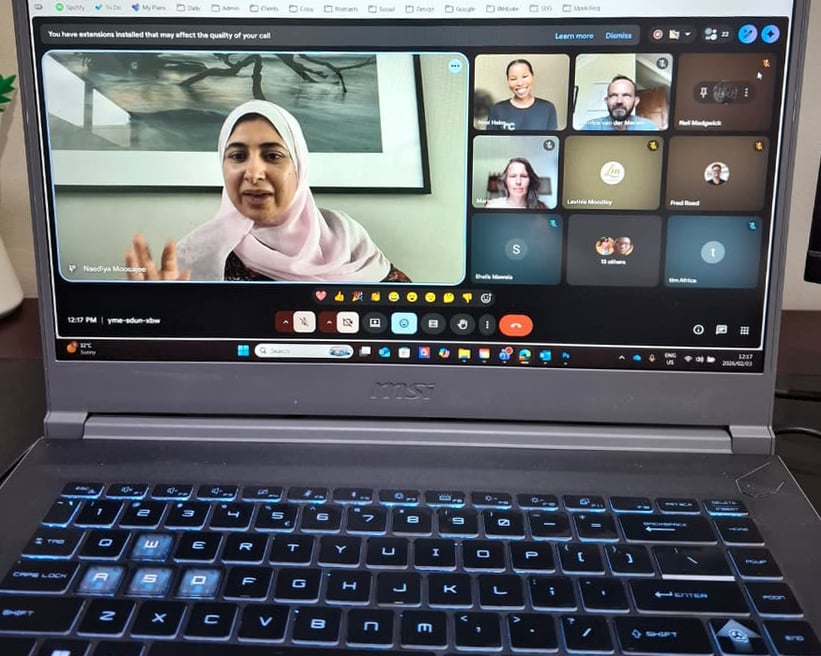
One of our team members, Janelle Vernall, attended the online session to capture key takeaways that entrepreneurs can apply, especially those building products under real constraints such as limited budget, limited credentials, limited access, and the very real pressure to make something work.
It was a recipe for entrepreneurs who want to prototype quickly, validate properly, and fund their ideas intelligently before chasing big capital. This sits right in Tim Africa’s world, where innovation meets execution and good ideas only matter once they ship.
Meet the Chef: Naadiya Moosajee?
How Heavy Chef describes her:
Naadiya Moosajee is a globally recognised engineer, entrepreneur, and advocate for women in STEM. As co-founder of WomEng and WomHub, she has spent over two decades unlocking access, building support ecosystems, and reshaping what STEM entrepreneurship looks like across Africa and beyond.
How Tim Africa describes her:
Naadiya Moosajee is an incredible machine. She has built her career around solving real world problems through innovation, inclusion, and commercially viable entrepreneurship, and that is something worth applauding.
Janelle noted that Naadiya’s passion comes through clearly, even in an online setting. She offered honest advice, practical solutions, and strong opinions whenever a question was raised. Many entrepreneurs will relate to her view that “Entrepreneurs see the problem, take the risk, and find the solution.”
Unpack the Ingredients of the Recipe
1. Start with the Problem, then Design
Naadiya’s entrepreneurship logic was consistent across the session. She emphasised that solving the problem is not enough. You also need to solve it in a way that can survive commercially.
2. Validate Before you Build
Naadiya shared a cautionary story about testing ideas with friends and family. People may praise your concept and still never buy. The goal is not compliments, but rather proof of demand.

3. Build a Core Value MVP
MVP stands for minimum viable product. Naadiya went further by explaining that it should be the simplest version of a product that works well enough to show a customer, learn from usage, and iterate.
4. Use AI to Speed Up
Naadiya spoke about using modern tools to reduce costs and compress timelines, from prototyping and usability testing to generating early marketing assets. As she put it, “AI can get a product to market faster, and you can get a digital product online in two weeks.” She also made a practical ecommerce point that applies far beyond ecommerce: make the buying process seamless and do not force customers into multiple apps just to pay.

5. Fund your Idea’s Wisely
Naadiya’s view on early-stage capital was grounded. Start by bootstrapping where possible and use early revenue to reduce dependence on investors. She said, “Getting money from a bank is like drawing blood from a stone,” and we appreciated the realness behind the statement.
6. Go Where your Customers Gather
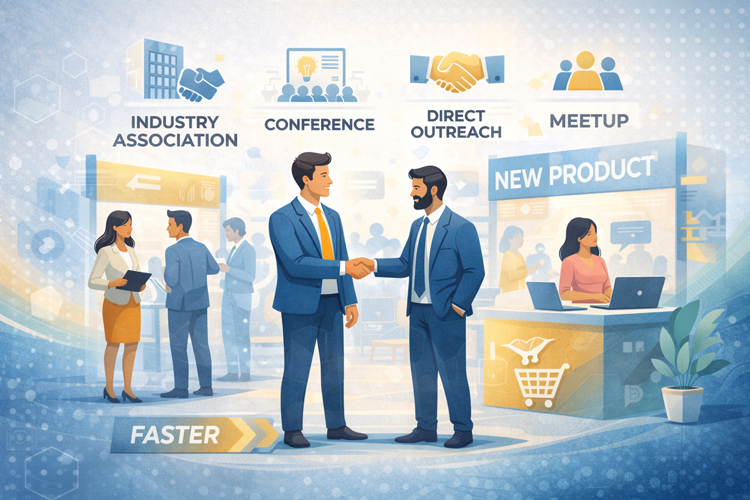
When Janelle asked how to get a new product in front of a target audience, Naadiya highlighted industry associations, meetups, conferences, and direct outreach. She also pointed out that people do business with people they like, know, and trust. She summed up her answer with a simple reminder: connect on a human level first before hard selling.
7. Combine Data and Conversation
Naadiya explained that customer feedback is both quantitative and qualitative. Track behaviour inside the product, speak to customers directly, create surveys when needed, and treat feedback as a continuous process rather than a once off exercise.
8. Hiring is a Growth Constraint
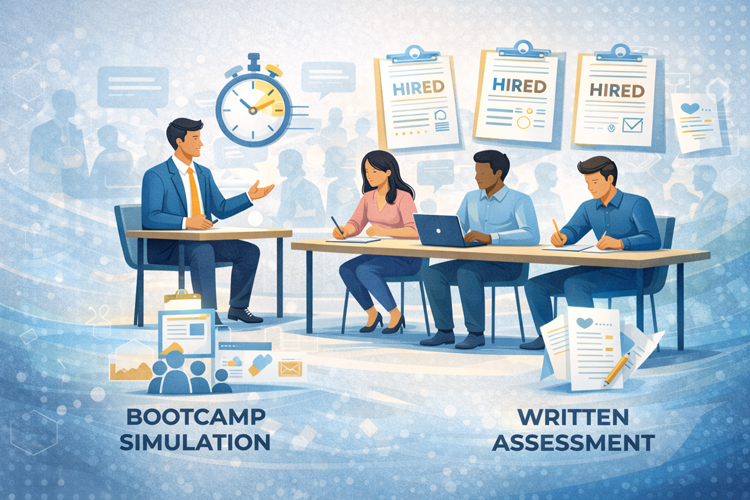
Naadiya explained that people are often the hardest part of scaling. She described using a short bootcamp style simulation and a written task to assess how someone works under pressure and within the team’s reality. A hiring bootcamp can help weed out candidates, but it may favour extroverts, which is why she pairs it with a written assessment.
Tim’s Perspective: Naadiya Moosajee
Naadiya Moosajee delivered a clear message for entrepreneurs and anyone with an interest in STEM. This is the kind of practical, human centred innovation Tim Africa is interested in, where ideas turn into products, products turn into growth, and growth creates real impact.
If you’re building something and you want help turning your expertise into content, Tim Africa does this every day through podcasting, performance marketing, and web development.
Frequently Asked Questions
1. What is STEM entrepreneurship?
STEM entrepreneurship is the practice of building businesses rooted in science, technology, engineering, and mathematics to solve real world problems through scalable products and services.
2. What is an MVP?
An MVP is a minimum viable product, meaning the simplest version of a product that works well enough to test demand, learn from users, and improve based on evidence.
3. What is Heavy Chef?
Heavy Chef is a South African entrepreneur learning community that shares practical business education through “recipes” and hosts events that connect founders. Its focus is helping entrepreneurs learn from real experiences and build a strong community.