

In 2026, YouTube monetisation is more dynamic than ever. The platform has paid out approximately R1.13 trillion to creators in the past and continues to expand its ecosystem. From ad revenue and shorts monetisation to channel memberships, live fan funding, and merchandise integration, creators now have multiple ways to turn views into sustainable income.
At Tim Africa, we work with brands, podcasters, and entrepreneurs building digital platforms. This guide breaks down the most up-to-date YouTube monetisation options, eligibility requirements, and practical growth tips to help you maximize your earning potential.
Why YouTube Monetisation Matters in 2026?
For business owners, YouTube offers brand authority and lead generation. For creators, it provides diversified revenue. For educators and podcasters, it becomes a scalable distribution channel that rewards consistency and audience trust. Understanding YouTube monetisation allows you to:
Build recurring income streams
Reduce reliance on standalone brand sponsorships
Turn community engagement into revenue
Create long-term digital assets that compound over time
Before accessing most monetisation features, you must qualify for the YouTube Partner Program (YPP). The requirements needed to be met in 2026 include:
At least 1,000 subscribers
4,000 public watch hours in the past 12 months or 10 million valid public shorts views in the past 90 days
Compliance with all YouTube monetisation policies
No active Community Guidelines strikes

Understanding YouTube's Revenue Share
For long form videos, creators typically receive around 55% of ad revenue, while YouTube retains approximately 45%.
For YouTube Shorts monetisation, revenue is pooled from ads shown between shorts in the feed. Creators receive 45% of their allocated share from this pool.
For fan funding features like Super Chat and Super Thanks, creators keep about 70% of the revenue, with YouTube covering transaction costs.
Here's an easy breakdown for you:
1. Ad Revenue and YouTube Premium
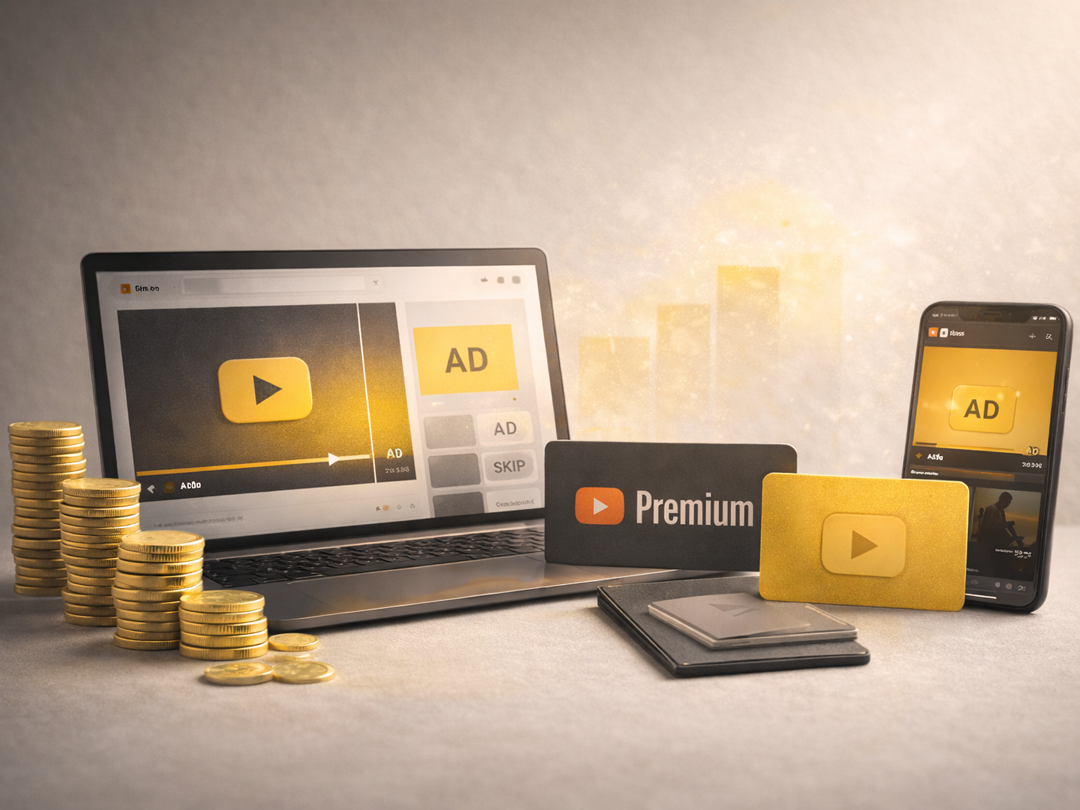
Ad revenue remains the core of YouTube monetisation. Once enabled in YouTube Studio, ads can appear as pre-roll, mid-roll, or display ads on eligible content.
YouTube Premium also contributes to your revenue. Premium subscribers pay for an ad free experience, and YouTube distributes a portion of that subscription revenue to creators based on watch time. No extra setup is required if you're in the Partner Program.
2. YouTube Shorts Monetisation
Instead of a fixed Shorts Fund, eligible creators earn through revenue sharing from ads displayed in the Shorts feed. To participate, you must activate the shorts monetisation module in YouTube Studio and meet Partner Program thresholds. Shorts can now serve as both a growth tool and a revenue stream.
3. YouTube Shopping and Merchandise
YouTube Shopping allows creators to connect platforms like Shopify and other supported retailers directly to their channel. You can:
Display a store tab on your channel
Tag products in long-form videos, shorts, and live streams
Sell your own merchandise through product shelves
Earn affiliate commissions by tagging other brands if you meet subscriber thresholds
Merchandise shelves can appear under your videos, giving viewers direct access to products without leaving YouTube.
4. YouTube BrandConnect
BrandConnect is YouTube's official marketplace for sponsored content partnerships. For creators aiming to professionalise their sponsorship deals, BrandConnect adds credibility and transparency to brand relationships. The platform also provides structured tools for planning, compliance, and performance tracking.
5. Channel Memberships
Channel memberships provide recurring monthly income. This strengthens community loyalty while stabilising cash flow, and YouTube handles the billing and payouts for you. Fans can get exclusive perks such as:
Members only videos
Private livestreams
Custom badges and emojis
Behind-the-scenes content
6. Super Chat, Super Stickers, and Super Thanks
These features turn audience engagement into direct support. Creators keep roughly 70% of revenue from these features. They're powerful tools for podcasters and livestream creators looking to monetise real-time interaction.
Super Chat allows viewers to pay to pin messages during livestreams.
Super Stickers offer animated paid stickers during live chat.
Super Thanks enables viewers to purchase highlighted comments on regular uploads and shorts.
7. Ticketing and Live Event Integrations
Music creators and event organisers can display upcoming tour dates and ticket links directly on their channel through YouTube's ticketing integrations. This allows fans to purchase tickets seamlessly, turning your YouTube channel into a promotional hub for offline experiences.
8. Live Gifts and Jewels
A newer addition to YouTube is virtual gifting during vertical livestreams. Viewers purchase digital items and send animated gifts that appear over the livestream. Creators accumulate redeemable value from these gifts. This feature enhances engagement and adds another real-time revenue layer, particularly for creators focused on mobile audiences.

Tips to Maximize YouTube Monetisation
Revenue depends on reach and retention. Strong search engine optimisation ensures your videos are discoverable and monetisable. Here are some tips to use on your YouTube channel:
Optimise titles with clear keywords under 70 characters.
Write detailed descriptions between 200 and 350 words using relevant search queries.
Use targeted tags and up to 3 hashtags.
Upload accurate captions to improve search visibility and accessibility.
Design high contrast thumbnails that communicate value instantly.
Encourage comments and engagement to boost ranking signals.
Use playlists, cards, and end screens to increase watch time.
Tim's Perspective on YouTube Monetisation
YouTube's evolution from a simple video platform to a multi-layered creator space shows where digital business is heading. More ownership, diversified revenue, and tools that reward consistency over virality. For creators and brands, it's about building sustainable income streams, strengthening community, and turning attention into long-term assets rather than short-term spikes.
If you're building something and you want help turning your expertise into content, Tim Africa does this every day through podcasting, performance marketing, and web development.
Frequently Asked Questions
It depends on your niche, content quality, and consistency. Some channels reach 1,000 subscribers and 4,000 watch hours within months, while others take longer.
Yes, if you diversify income streams and focus on consistent value creation. Channels that combine ads, fan funding, and external partnerships tend to build the most stable revenue.
In 2026, the most profitable YouTube channels typically diversify their revenue streams rather than relying on ad revenue alone. Your channel's earnings potential depends on factors such as your niche, audience location, watch time, engagement rate, and how effectively you use a mix of monetisation features.