

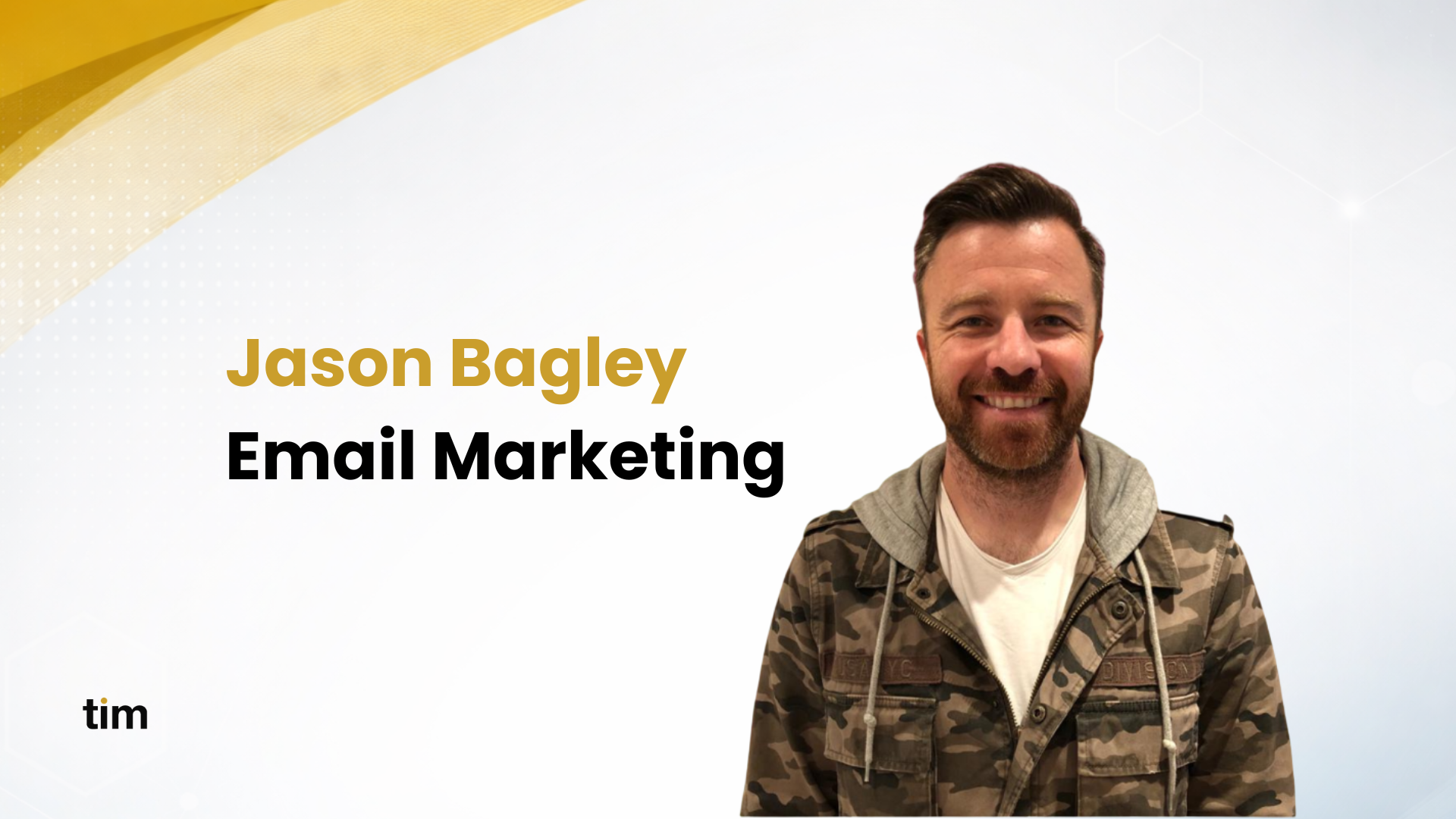
On 20 February 2026, Tim Africa attended the Jason Bagley Email Marketing course from Heavy Chef Organisation. He is a business builder, founder of Growth Experts, and an Entrepreneur’s Organization member.
One of our team members, Tre Motsoahae, completed the pre-recorded course to capture practical insights that entrepreneurs, founders, and marketers can apply. While social media platforms dominate marketing conversations today, Jason’s message was simple. The most valuable audience you can build is the one you own.
It was a recipe about control, consistency, and building a communication channel that isn’t dependent only on algorithms.
Meet the Chef: Jason Bagley
How Heavy Chef describes him:
Jason Bagley is the Vice President of Digital Strategy for SiteCare, a lead generation and WordPress management platform. Jason joined the company after selling his agency, Firing Squad, to SiteCare in 2020. While at the helm of Firing Squad, he worked with DHL, Porsche, Visa, WooCommerce and Dimension Data, creating punchy and effective email marketing strategies for their brands.
How Tim describes him:
Jason Bagley is an incredible machine. His perspective cuts through modern digital marketing by focusing on fundamentals that still work. Instead of chasing the latest social media trends, he reminds entrepreneurs that owning your audience is one of the most powerful advantages a business can have.
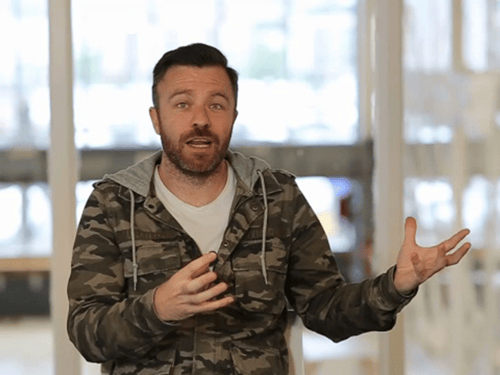
Tre noted that Jason challenged a common assumption among founders that email marketing is outdated. Jason described it as the “unsexiest” but most reliable form of marketing available.

Unpacking the Ingredients of the Recipe
1. Start by Identifying What Drives Revenue
Jason shared a story from his early career in website design. As the industry matured, he noticed that website design had become a race. Lower barriers to entry; meant more competitors, lower pricing, and increasingly difficult differentiation.
When he analysed where his business was making money, he discovered something unexpected. Their email newsletter was generating the most consistent revenue. At the same time, it was the simplest work they produced, with far fewer revisions than website projects. That discovery shifted his focus toward email as a primary marketing channel.
2. Own Your Audience
Jason emphasised a key strategic difference between social media and email marketing. Social media audiences live on platforms owned by someone else. Algorithms change, reach fluctuates, and accounts can be restricted or removed.
An email list belongs to the business that builds it. That direct line of communication allows companies to reach their audience whenever they want, without relying on platform rules.
3. Start Small and Build Consistently
Jason explained that many founders delay starting email marketing because they believe they need a large audience first. He encouraged participants to begin with as few as 20-30 subscribers.
Most email marketing platforms offer free versions that are more than capable of handling early-stage newsletters. The features across most platforms are similar, making it easy to start without heavy technical investment.
4. Focus on Personalisation and Automation
One of Jason’s key recommendations was improving email engagement through personalisation and context. Personalisation can include details such as a subscriber’s name, location, or other segmentation attributes. Context means sending the right message at the right moment rather than sending the same message to everyone.
Automation also plays an important role. Welcome sequences, onboarding emails, and triggered responses can ensure that subscribers receive relevant communication without requiring constant manual effort.

5.Keep your Newsletter Relevant
Jason emphasised the importance of maintaining an up-to-date newsletter. Content should remain relevant and timely so that subscribers continue to see value in opening and reading the emails. A useful practice is creating a checklist for each campaign to ensure consistency. This checklist can include testing links, reviewing formatting, confirming personalisation fields, and verifying the call to action before sending.
6. Confirm Subscriber Sign Ups
Another practical step Jason mentioned was confirming new subscribers through onboarding emails. Sending a confirmation message helps validate that the email address is legitimate and ensures that the subscriber genuinely wants to receive future communication. This step also improves list quality and protects sender reputation.
7. Recommended Tools for Email Marketing
Jason shared a range of tools that businesses can use depending on their needs.
- For general email marketing platforms, he recommended Mailchimp and Campaign Monitor, which he described as the “Rolls Royce” option.
- For automation and segmentation, he suggested tools such as Drip, ConvertKit, Intercom, and HubSpot, particularly for businesses that require deeper integration with customer relationship management systems.
- For testing and deliverability checks he recommended Litmus Testing and Mail Tester
- For studying strong examples of email marketing campaigns he suggested Really Good Emails H, a library of effective email marketing designs and strategies.
- For ecommerce specific email marketing he highlighted Conversio, CM Commerce, and Klaviyo as strong platforms.
8. Build a Marketing Acceleration Plan
Jason spoke about the importance of thinking beyond email when building a growth strategy. His Acceleration Plan framework focuses on creating momentum early by combining multiple tactics.
This includes aggressive advertising at the beginning of a campaign, consistent content schedules, entertainment first content, and user generated content. He also stressed the importance of having backup plans, conducting thorough research, and investing in a strong website or app to support marketing efforts.
Tim Africa’s Perspective on Jason Bagley
Jason Bagley delivered a clear reminder for entrepreneurs and marketers. The most valuable audience is the one you own. And we couldn’t agree more! Email marketing may not be the flashiest channel, but it remains one of the most effective ways to communicate directly with customers, build trust over time, and convert attention into revenue.
This is the kind of practical, holistic thinking Tim Africa is interested in, where we care about the results just as much as our client’s. If you’re wanting help turning your concepts or expertise into content, Tim Africa does this every day through podcasting, performance marketing, and web development.
Frequently Asked Questions
- What is email marketing?
Email marketing is the practice of communicating directly with an audience through email newsletters, campaigns, and automated sequences. It is used to build relationships with customers, share content, and promote products or services.
- Why is email marketing important?
Email marketing is important because it gives businesses a direct communication channel with their audience. Unlike social media platforms, an email list is owned by the company and is not dependent on changing algorithms.
- What tools are commonly used for email marketing?
Common email marketing tools include Mailchimp, Campaign Monitor, ConvertKit, HubSpot, and Klaviyo. Testing tools such as Litmus Testing and Mail Tester can also help improve email deliverability and performance.