
The health technology company has developed Sonometrik, an AI powered platform designed to analyse voice and bioacoustic signals to provide health insights, potentially without the need for additional wearable devices.
This caught our attention for one reason.
Audio is becoming more than something we listen to. It is becoming something technology can interpret.
From Speaking to Sensing
Traditionally, monitoring vital signs requires dedicated medical equipment. Vital Audio is thinking out the box and trying something new.
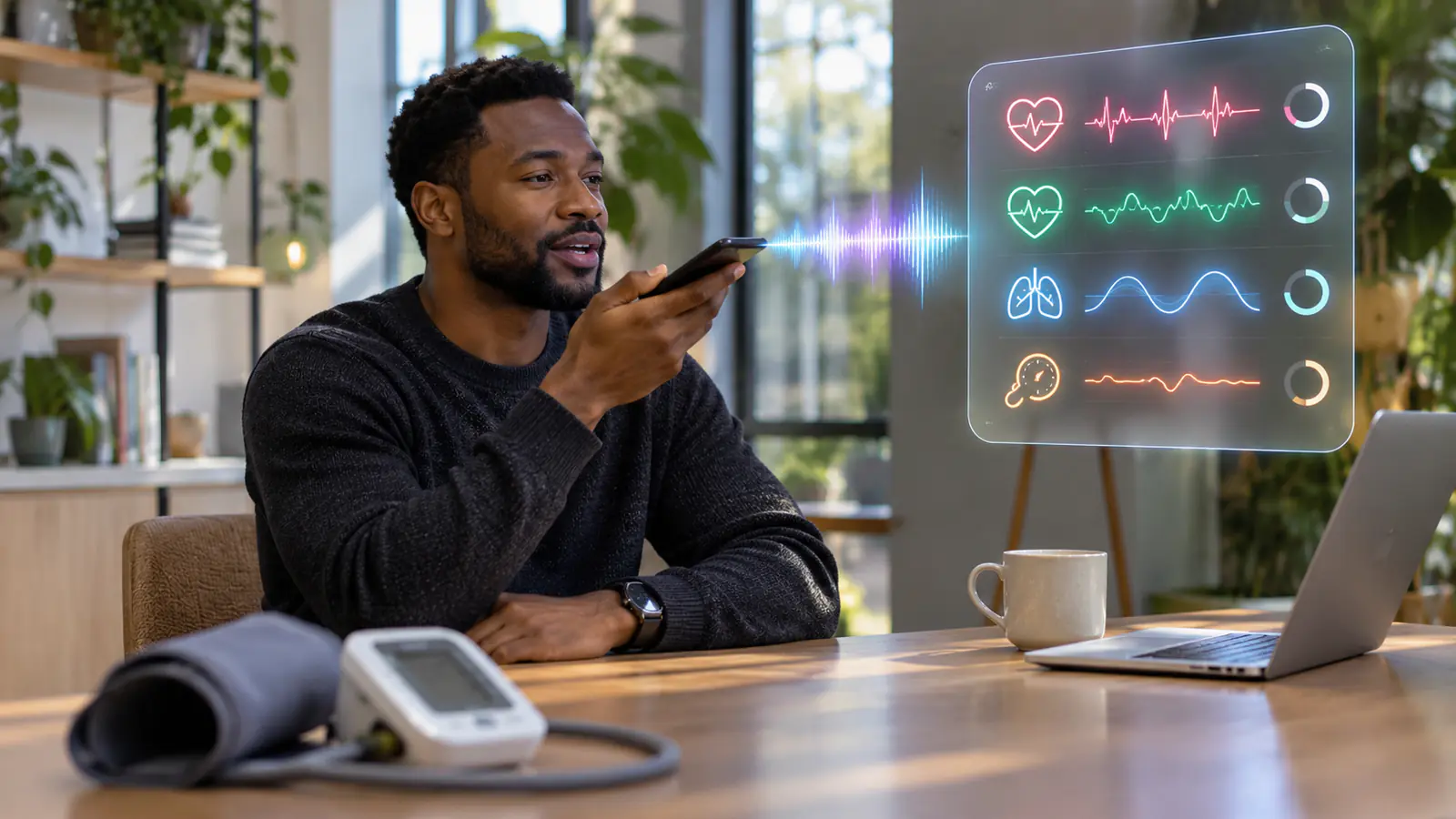
Its technology analyses voice signals to estimate physiological measurements such as heart rate and heart rate variability. The company is also developing capabilities involving blood pressure and respiratory information.
According to Vital Audio, its technology aims to make health monitoring more accessible through existing digital devices.
Why This Matters Beyond Healthcare
For years, digital innovation has meant introducing new apps, devices and platforms. Vital Audio challenges that thinking by exploring how existing behaviours can become intelligent interfaces.
And the implications extend beyond healthcare.
It can tell stories, connect audiences and increasingly provide information that intelligent systems can analyse. This represents a broader shift in how businesses approach technology. The next innovation might not require an entirely new platform. It might come from rethinking something customers already use.

What Can Businesses Learn?
Vital Audio offers an interesting lesson for brands, marketers and technology teams. The opportunity is not always about creating something entirely new. Sometimes it is about making existing interactions more useful.
- A microphone becomes more than a recording tool.
- A conversation becomes more than an exchange of words.
- An everyday interaction becomes a potential source of insight.
While voice based health monitoring still requires continued validation and responsible implementation, the direction is worth watching.
Vital Audio is another reminder that the next big innovation might already be part of our everyday lives. We just haven’t recognised its full potential yet.