

Following the news of his death on 28 October, aged 86, audiences are remembering the actor who brought Captain Jean Luc Picard and Professor Charles Xavier to life. His family announced that he died at home in Los Angeles following a brief journey with Alzheimer’s disease and Lewy body dementia.
For many, his performances were part of growing up.
For others, they became something to return to: familiar characters whose courage, curiosity and compassion made extraordinary worlds feel human.
That's an incredible thing for a storyteller to leave behind.
Early life: From Yorkshire to the stage
Born on 13 July 1940 in Mirfield, Yorkshire, Patrick Stewart grew up in a working class household. He left school at 15 and worked as a junior newspaper reporter while pursuing local theatre. Acting soon became his chosen path, leading him to train at Bristol Old Vic Theatre School.
Long before audiences knew him as a starship captain, he was building his craft through repertory theatre. He joined the Royal Shakespeare Company in 1966, laying the foundations for a career that would move between classical drama, television and film.
Captain Jean Luc Picard: Star Trek
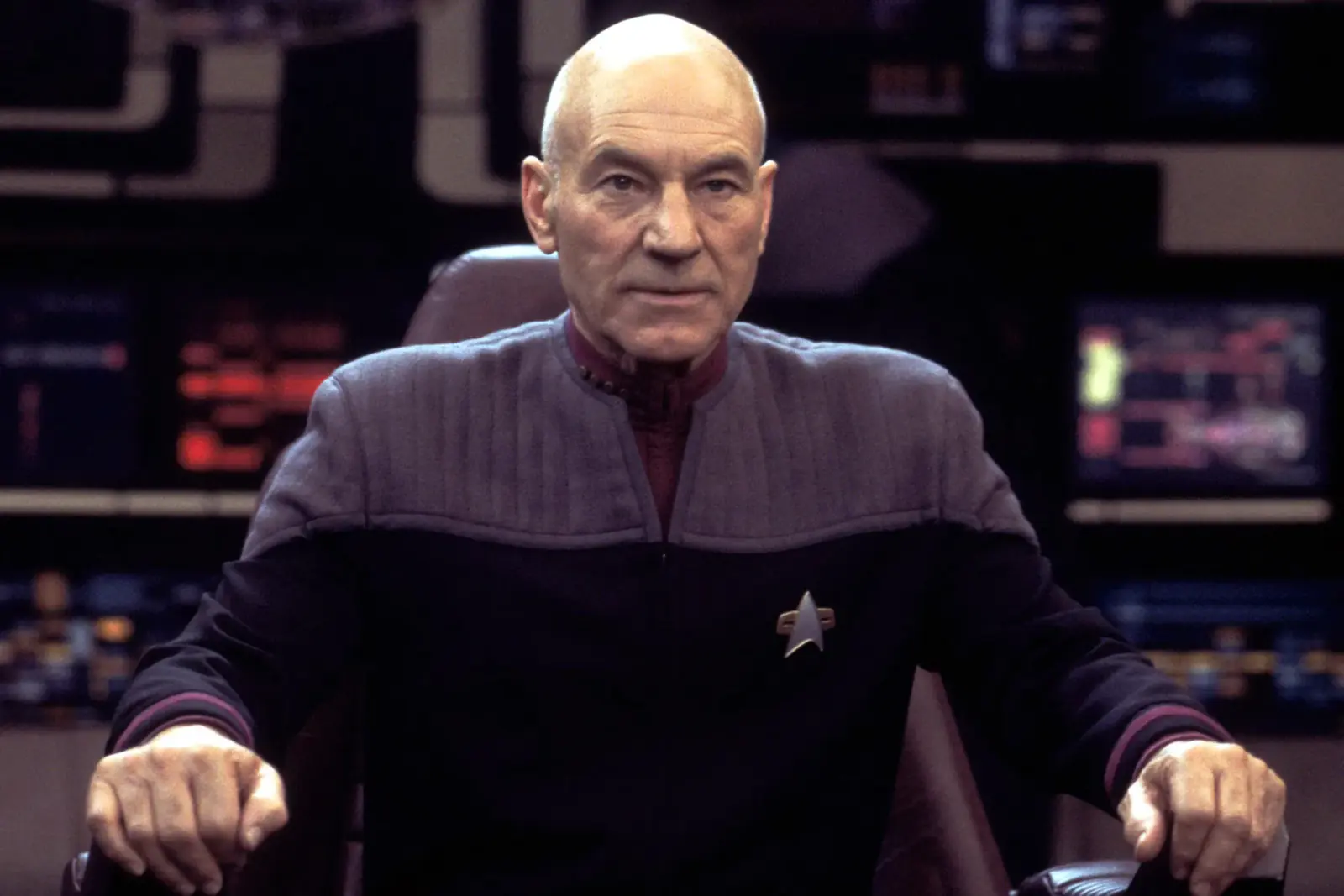
As Captain Picard in Star Trek: The Next Generation, Stewart brought intelligence, restraint and conviction to the bridge of the Enterprise. Across seven seasons and subsequent films, his performance helped make thoughtful leadership compelling television.
Picard could command a room through a carefully delivered sentence. Stewart made the character’s curiosity and moral responsibility as memorable as the adventures themselves.
Professor Charles Xavier: X Men
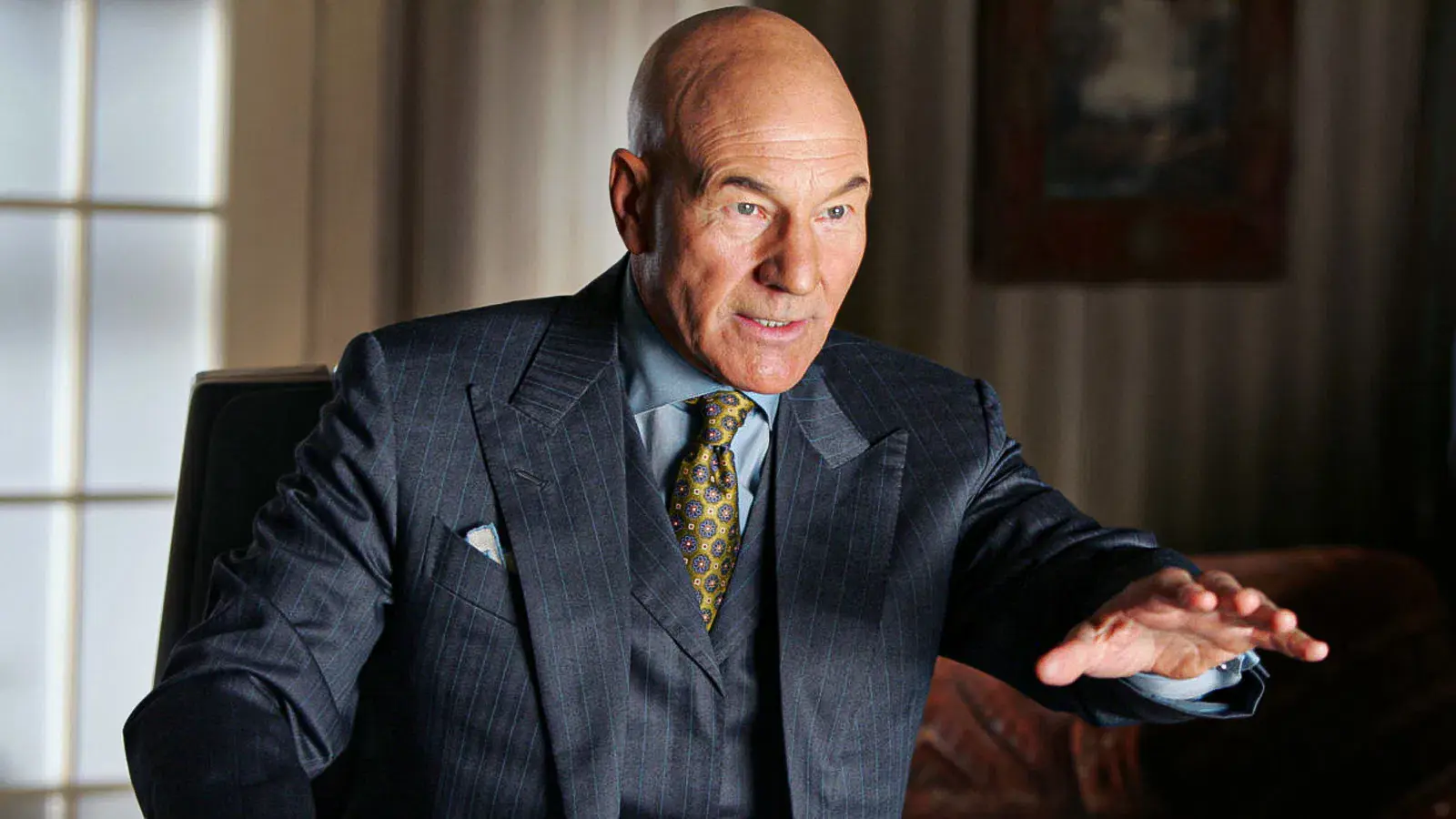
Stewart brought a similar sense of authority to Professor Charles Xavier, beginning with the original X Men film in 2000. He returned to the character across multiple films, including Logan in 2017.
As a teacher and mentor to people struggling with their differences, Xavier offered another expression of Stewart’s strength as an actor: making extraordinary characters feel recognisably human.

Shakespearean roles: A lifelong commitment to theatre
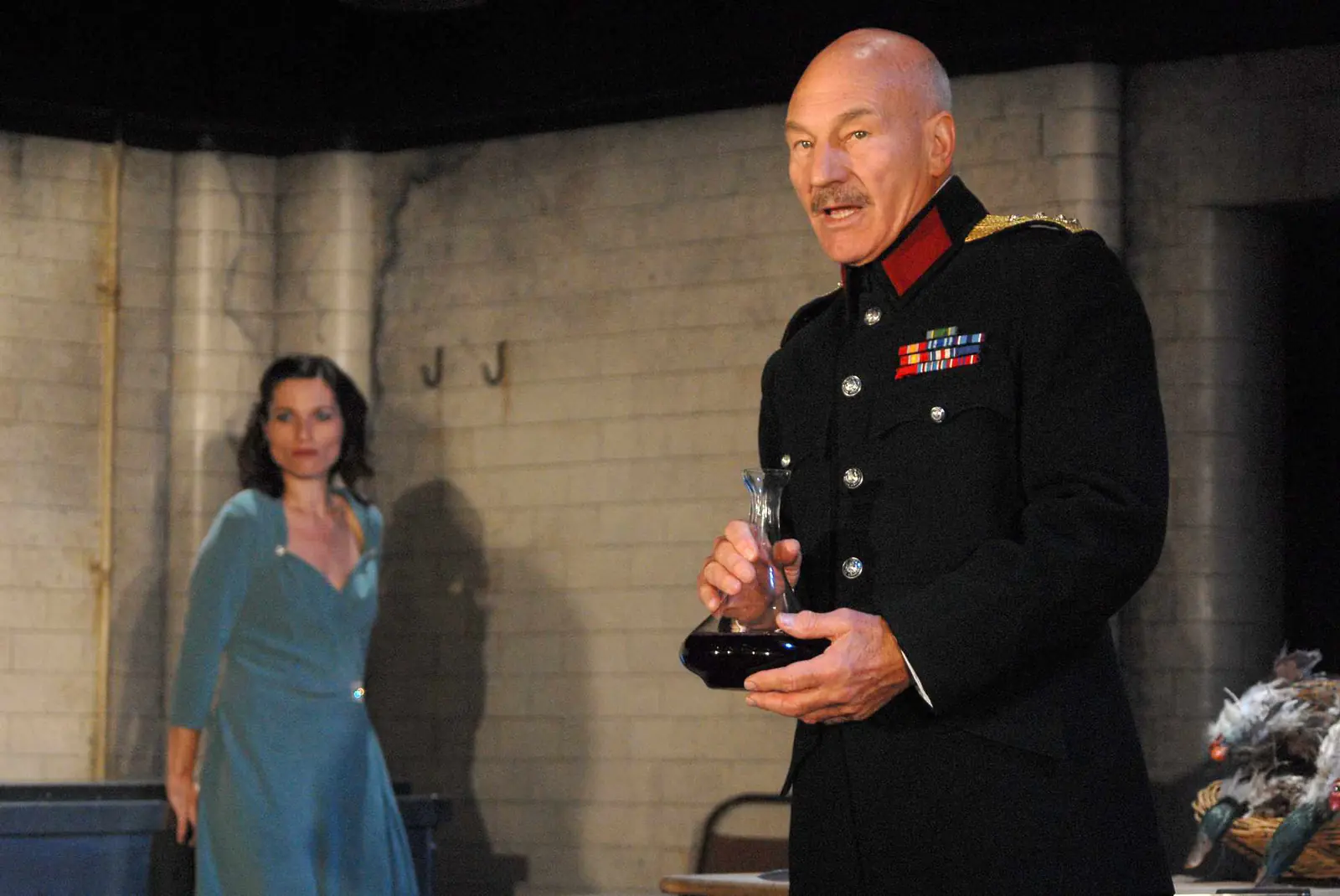
Alongside his screen career, Stewart remained an acclaimed stage performer. His three Olivier Awards recognised Antony and Cleopatra in 1979, his solo production of A Christmas Carol in 1994, and his portrayal of Claudius and the Ghost in Hamlet in 2009.
These performances reflected the range behind his familiar screen presence, from Shakespearean drama to bringing Dickens’s characters to life onstage.
Awards and honours: Recognition across disciplines
His distinctive voice also earned recognition. In 1996, Stewart won a Grammy for Best Spoken Word Album for Children for Prokofiev: Peter and the Wolf. He received the Shakespeare Guild’s Gielgud Award for Excellence in the Dramatic Arts in 2008.
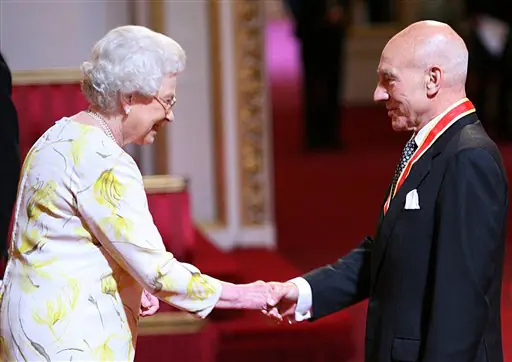
His British honours included an OBE in 2001 and a knighthood conferred by Queen Elizabeth II in 2010 for services to drama. Together, these honours recognised a contribution that reached across theatre, film and television.
What we take from his work
At TIM Africa, we spend a lot of time thinking about attention.
- What earns it?
- What holds it?
- What makes something stay with a person after they have watched, listened or scrolled past?
Stewart’s performances invite us to look at the human connection at the centre of those questions.
We remember how a character made us feel. We remember:
- the tension before a difficult choice
- the reassurance in a familiar voice
- the moment someone found the courage to speak
For us, that is a reminder to give the people inside a story enough room to matter. A thoughtful question, an honest answer or a carefully held pause can be the moment an audience carries away.
A final thank you
Sir Patrick Stewart leaves behind performances that people will keep discovering, revisiting and sharing.
Our tribute is a thank you for that work. For the imagination, the discipline and the humanity he brought to the screen and stage.
We say goodbye to an incredible machine.