

Introduction
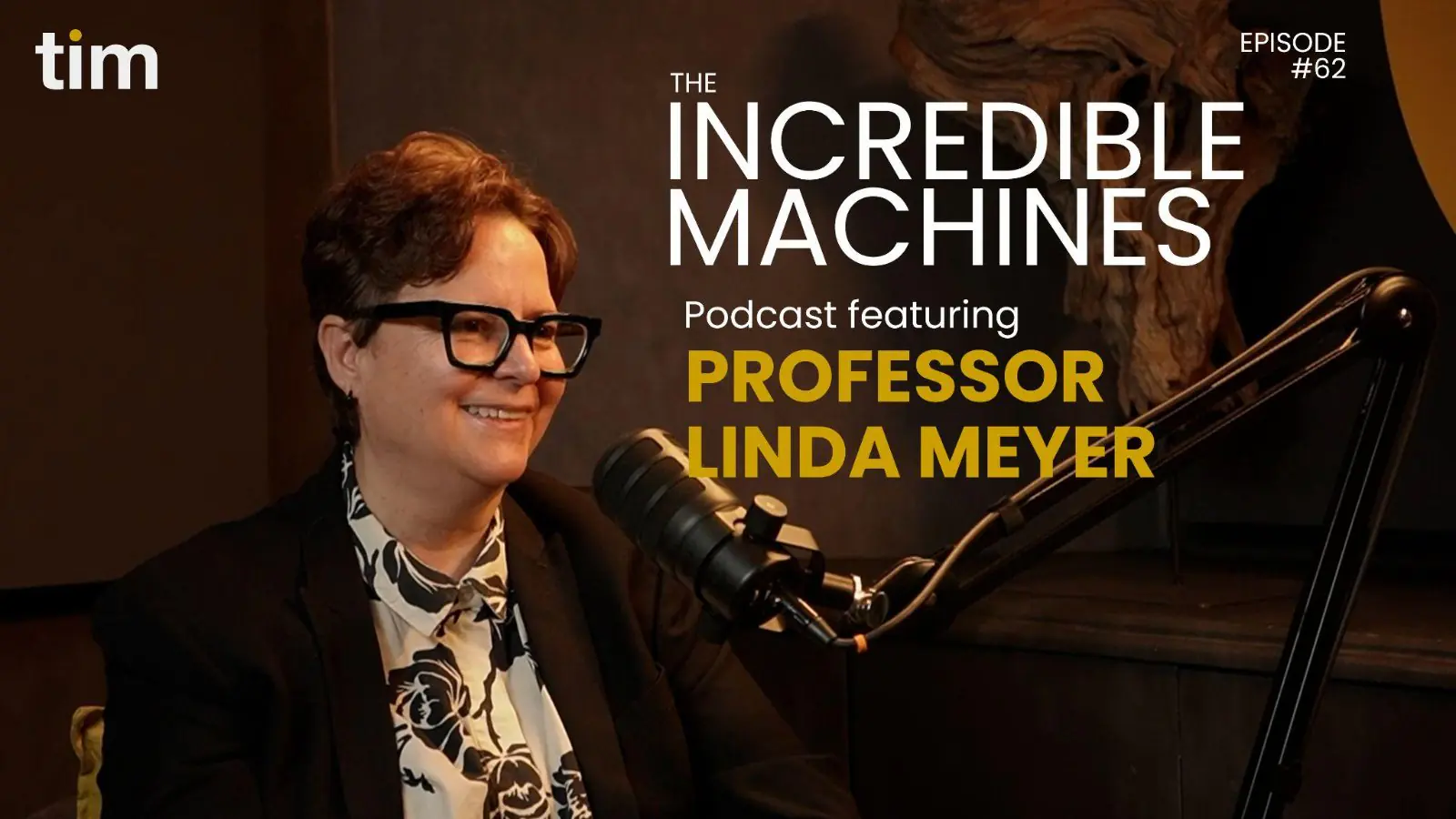
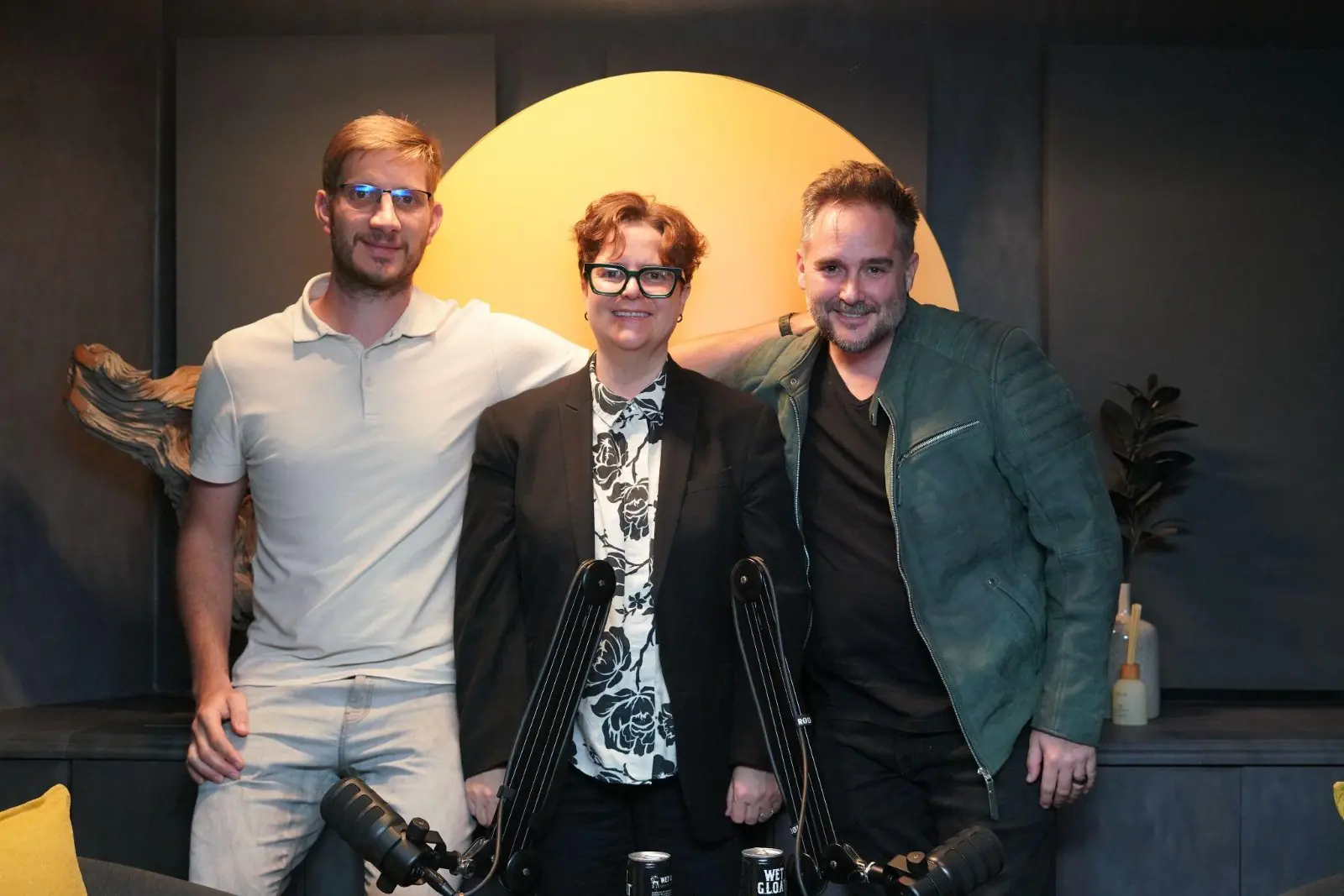
In Episode 62 of The Incredible Machines podcast, hosts Jon Oliff and Luke Holden are joined by Professor Linda Meyer, an experienced higher education leader and passionate advocate for lifelong learning, women in leadership and greater access to quality education across Africa.
Professor Linda Meyer has spent more than three decades working across organised labour, government, justice, statutory institutions and higher education. Today, she provides strategic and academic leadership to Rosebank International, the Waterfall School of Business and Capsicum Culinary Studio. She also serves as President of Rosebank International University College in Ghana and as a visiting professor at Nelson Mandela University.
She speaks openly about the structural barriers facing first generation students, the challenges affecting women in leadership and the responsibility of institutions to connect education with meaningful employment. Across each subject, Professor Meyer returns to one central belief: Africa does not have a shortage of talent, but systems that identify, develop and deploy that talent too unevenly.
Whether you are passionate about education, navigating leadership or working to create more inclusive opportunities, this episode offers valuable insights into lifelong learning, responsible institutional collaboration and building a stronger future for African students.
Key Highlights from Professor Linda Meyer in Episode 62
1. Education is a Lifelong Responsibility
Professor Meyer’s qualifications reflect her belief that leadership requires intellectual humility. She continues studying because knowledge changes and leaders need to change with it.
For her, qualifications shouldn't mark the end of learning. Professionals need to keep developing their knowledge if they want their skills to remain useful in a rapidly changing economy.
“It’s the greatest equalizer and the greatest empowerment tool.”
2. AI Should Support Human Thinking
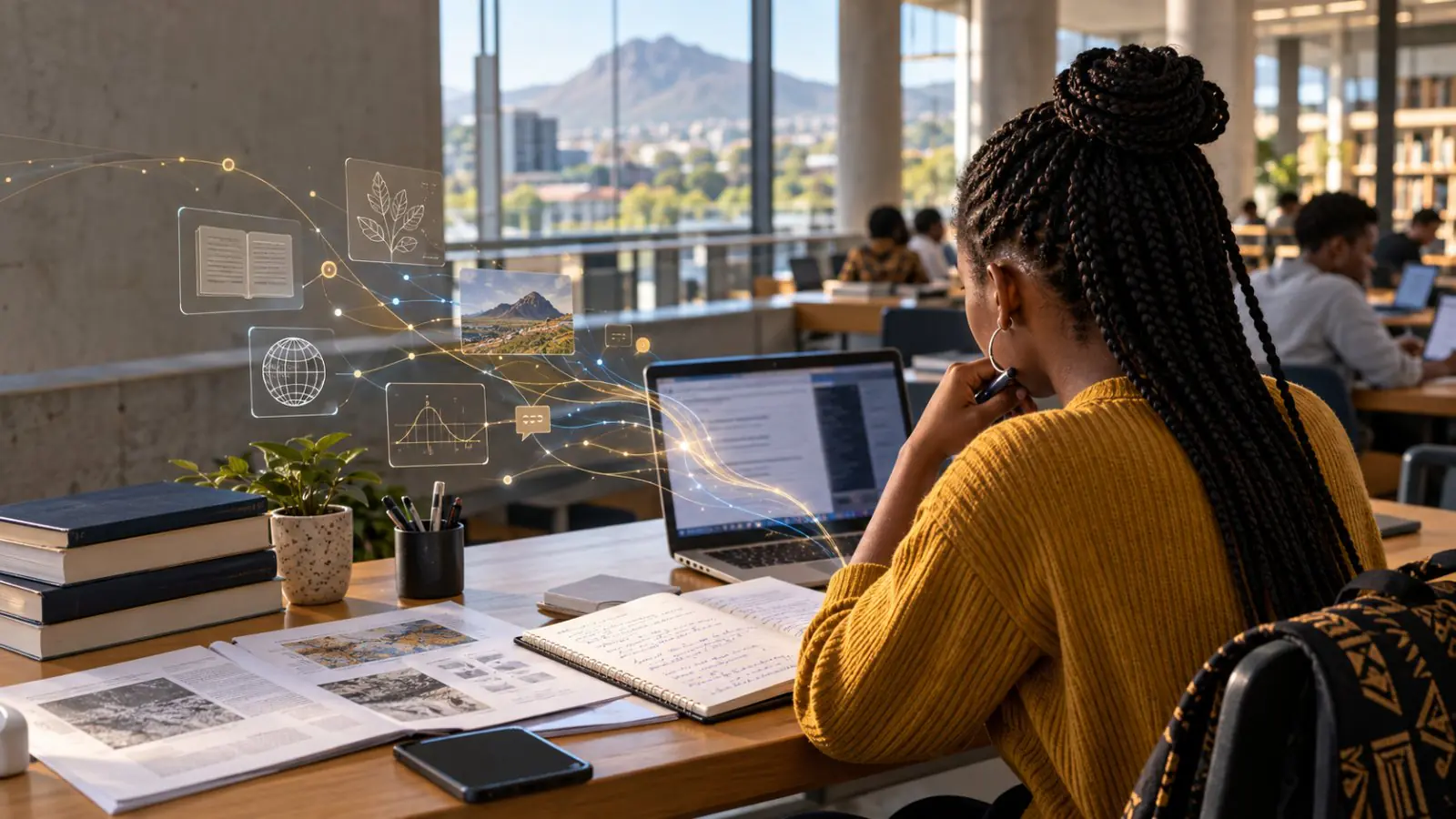
Professor Meyer is optimistic about the potential of artificial intelligence, particularly its ability to make knowledge and educational support more accessible.
For students who cannot afford a private tutor, artificial intelligence can assist with language development, academic preparation, and the explanation of difficult concepts.
The challenge for education isn't simply teaching students how to use artificial intelligence, but also teaching them how to question it, contextualise its responses, and apply their own thinking.
3. Encouraging Public and Private Institution Collaborations
The five-year partnership between Rosebank International and the University of the Free State represents an important change in how the sector approaches collaboration. The partnership creates opportunities for academic exchange, collaborative research, and shared learning while helping both institutions contribute to the future of African higher education.
For Professor Meyer, this is an example of what becomes possible when institutions move beyond competition and focus on the students and communities they serve.
4. South Africa needs More Space for Qualified Students
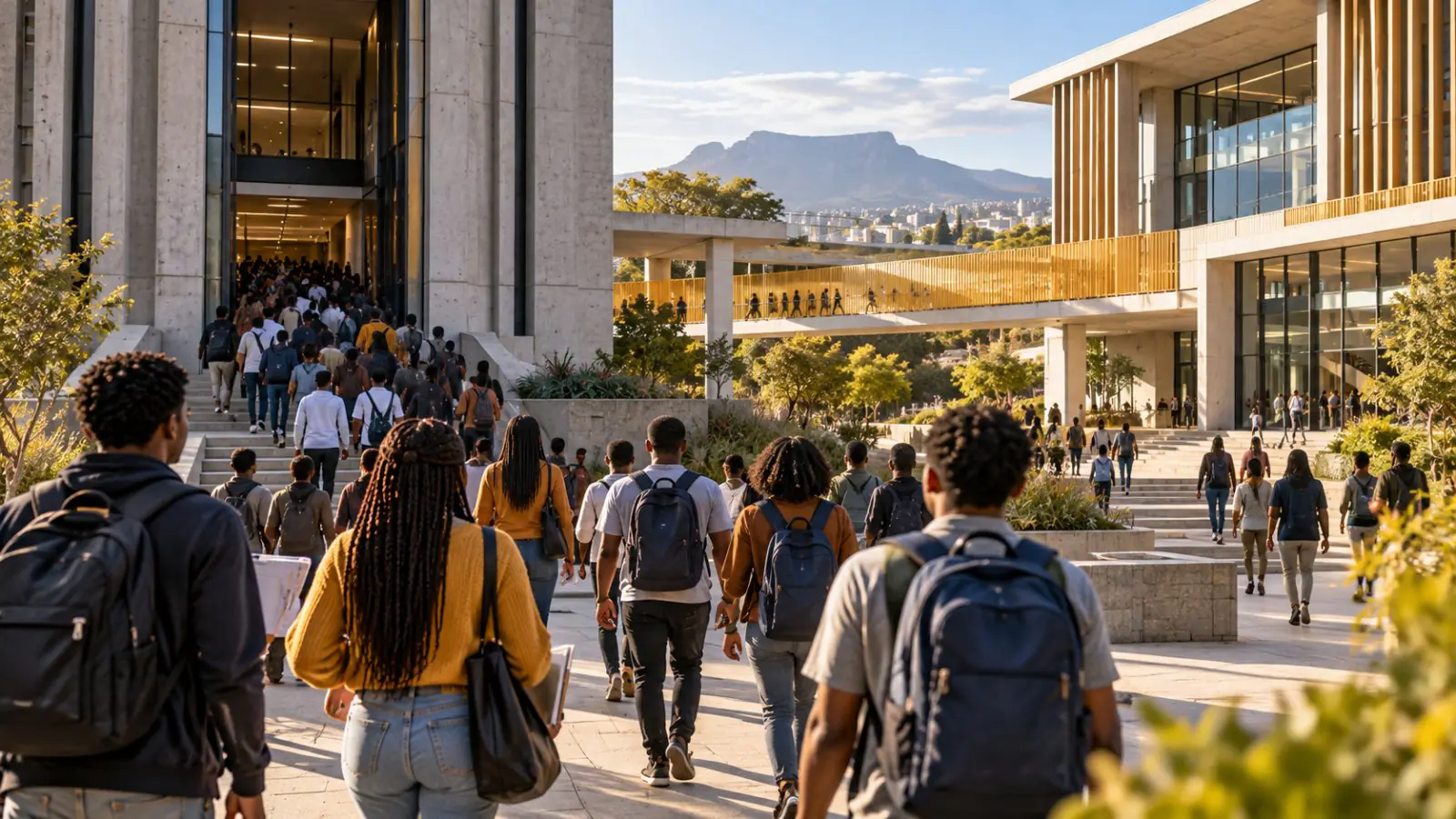
Professor Meyer explains that approximately 600,000 learners qualify for some form of tertiary education each year, while public universities have space for only around 230,000 new students. This leaves hundreds of thousands of qualifying students without a clear route into higher education.
Building new public universities won't solve the problem quickly. These institutions require significant funding, infrastructure, academic capacity, and time before they can operate at scale. The answer isn't to frame public and private education as opposing systems. Both can contribute to expanding access, supporting students and developing the skills African economies need.
“Do the best you can until you know better. Then, when you know better, do better.”
Advertising Campaign Mentioned
Although it’s not a conventional advertising campaign, “Me Too” is one of the most consequential global advocacy campaigns of our time. It transformed experiences that had often been endured privately into a collective demand for recognition, accountability and institutional change. Its power lay in two simple words that enabled millions of women to recognise that their experiences were not isolated and that silence frequently protects systems rather than victims.
“The campaign is particularly relevant to my work in leadership, higher education and labour-market policy because sexual harassment and gender-based discrimination are not merely interpersonal problems. They are institutional and workplace governance failures that restrict women’s participation, progression and psychological safety. “Me Too” demonstrated how personal testimony, shared at scale, can challenge entrenched power and compel organisations to examine cultures that formal policies alone have failed to change. Its enduring lesson is that institutions cannot claim to support women while tolerating environments in which misconduct is concealed, complainants are discredited and perpetrators remain protected.”
The campaign changed the global conversation; the continuing challenge is to translate that visibility into due process, prevention, accountability and lasting institutional reform.
Visit the Me Too MovementConclusion
Professor Linda Meyer’s journey demonstrates what becomes possible when education, leadership, and social responsibility are treated as part of the same mission. Her vision for African higher education isn't centered solely on enrolling more students. It's about preparing students to succeed, connecting qualifications with employment, supporting first generation learners, and building institutions capable of responding to technological and economic change.
Whether you're a first-generation student navigating unfamiliar territory, a leader working to create more inclusive institutions or someone committed to lifelong learning, this episode is a must listen!
Frequently Asked Questions
Professor Linda Meyer is a higher education leader with experience across organised labour, dispute resolution, government, justice and academia. She provides strategic and academic leadership to Rosebank International, the Waterfall School of Business, and Capsicum Culinary Studio. She is also President of Rosebank International University College in Ghana and a visiting professor at Nelson Mandela University.
Public private partnerships can increase institutional capacity, strengthen research and expand access to quality education. They allow institutions to share expertise and resources while helping more students move from education into meaningful employment.
The Incredible Machines podcast is a thought leadership series produced by Tim Africa, featuring conversations with visionary entrepreneurs, leaders, and changemakers from across the continent.
You can listen on all major platforms including Spotify, Apple Podcasts and the Tim Africa Podcast Hub.