

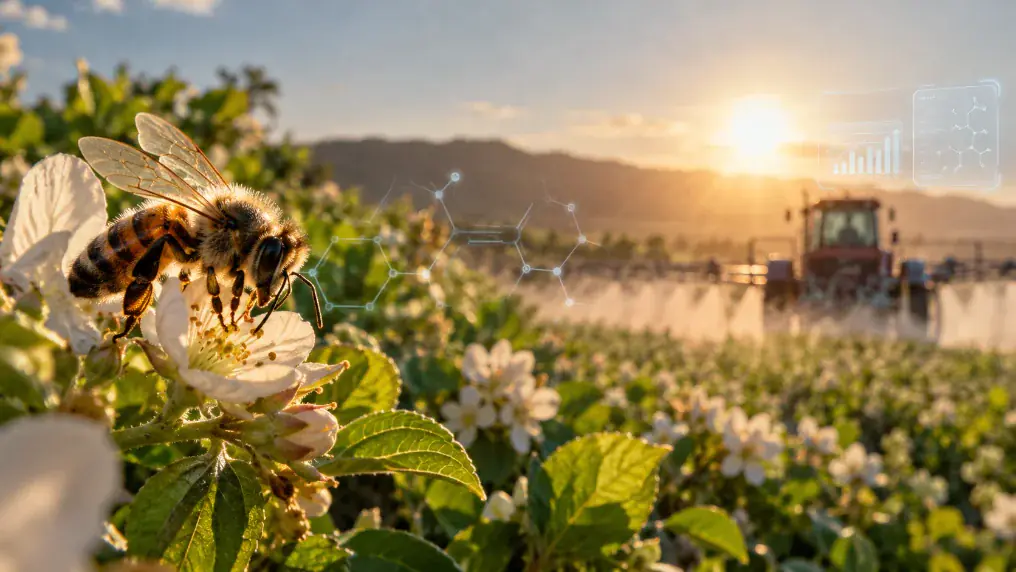
Researchers at the University of California, Riverside have used machine learning to identify scents that repel honey bees, potentially protecting them from harmful pesticides.
For us at TIM Africa, this is an example of how AI can help solve real world problems.
How Does It Work?
Honey bees rely heavily on smell to navigate their surroundings and find food.
Researchers developed a machine learning model to predict which chemical compounds bees would naturally avoid.
Instead of testing millions of chemicals manually, the AI screened more than 50 million possibilities and identified over 130 potential repellents, which then allowed the scientists to test only those suggested.
Seven promising compounds were tested with freely foraging honey bees. All seven demonstrated repellent effects, with fewer bees visiting the treated areas.
The goal is to eventually use these scents alongside pesticides, encouraging bees to avoid treated crops and reducing their exposure to harmful chemicals.
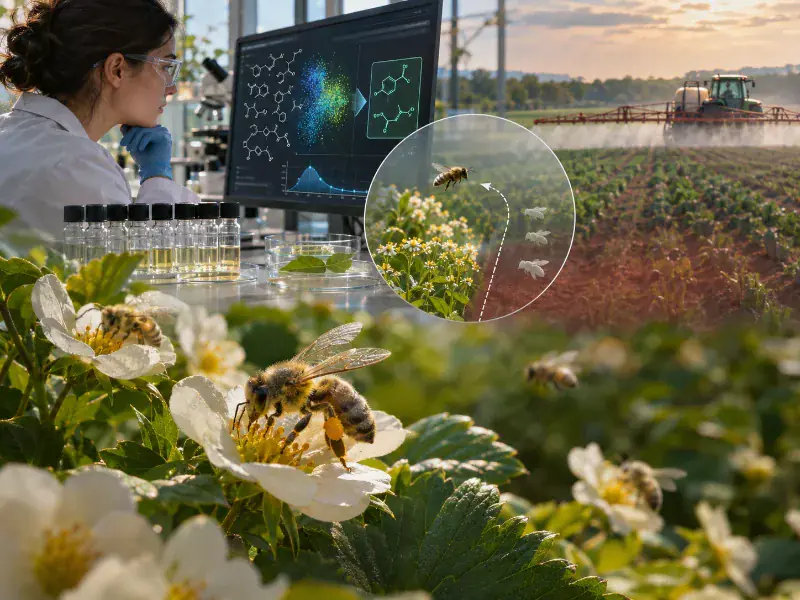
AI Is Not Replacing Scientists
What makes this research particularly interesting is how AI and human expertise worked together.
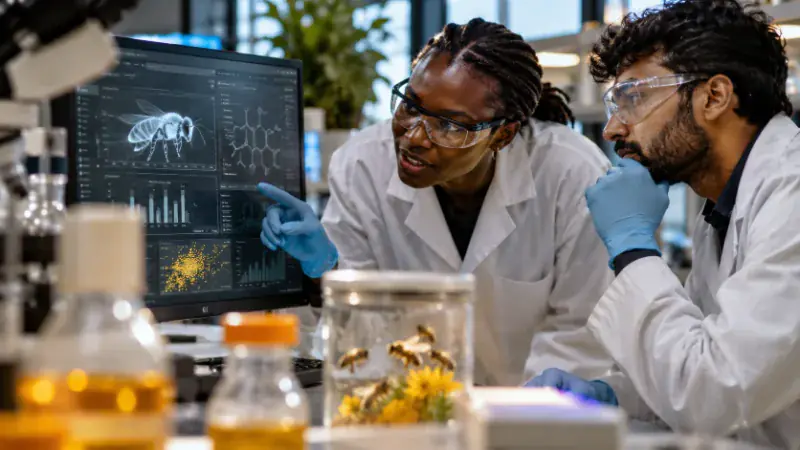
The technology identified promising compounds, but scientists still needed to test them, observe bee behaviour and validate the results.
It is a practical example of AI supporting human thinking rather than replacing it.
From Scientific Discovery to Commercial Opportunity
Beyond the scientific breakthrough, this research also presents an exciting business opportunity.
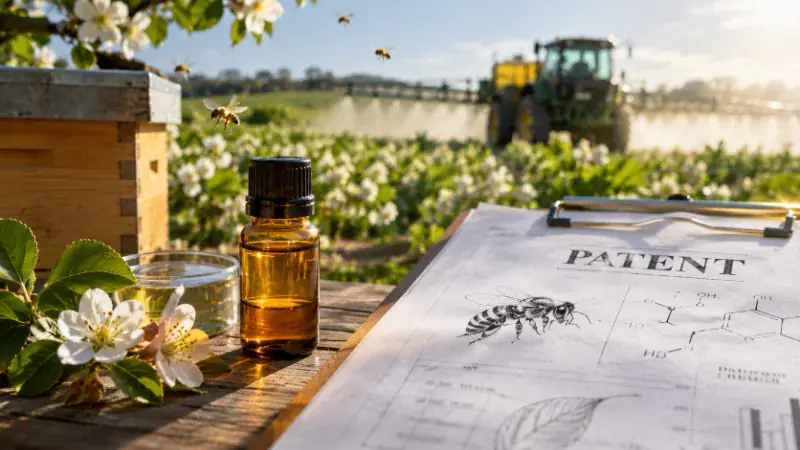
Anandasankar Ray, one of the lead researchers, is a co-inventor on a patent application covering the bee-repelling compounds.
This could pave the way for new agricultural products that protect pollinators while helping farmers manage pests.
For TIM Africa, it demonstrates how innovation can move beyond research and potentially become a commercially valuable solution to a real problem.
What's Next?
Although the findings are promising, further research and development are needed before these scents can become widely used agricultural solutions.
However, the study demonstrates how machine learning could accelerate discoveries in environmental science and beyond.
AI did not solve the entire problem on its own. It helped scientists find better answers faster. And that is the kind of innovation worth paying attention to.